

The Morning Halloween Season Is Here. Bring on the Horror. 👻🎃
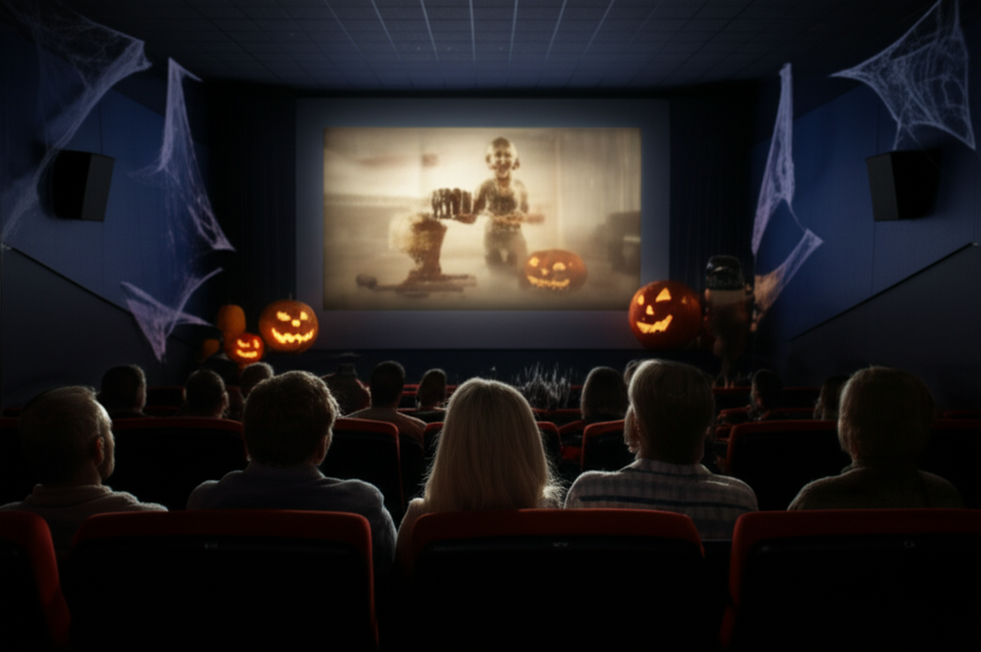
As the leaves crisp and the air settles into an autumn embrace, a curious phenomenon emerges: the season of scares is upon us. Just as diehard fans diligently await each unfolding chapter of their favorite franchises, horror films have burgeoned in popularity like a pumpkin patch in October. Yet, why are we flocking to theaters—our heartbeats drumming against the sound of impending doom? 🕷️🤯
It’s almost deliciously ironic that while society, armed with technological advances, seeks comfort in the familiar—be it streaming services or cozy blankets—simultaneously, we choose to bask in the thrill of terror. These ghoulish stories, with their suspenseful plots and jump scares, are bridging a peculiar paradox: they provide both an adrenaline rush and a strange sense of safety. What visceral cravings are being satiated when we willingly plunge into the darkness? 💀
Spooky Season: A Cultural Renaissance
The season we designate as Halloween has morphed from mere festivity into a full-blown cultural phenomenon. As soon as September fades, retailers hastily transition their aisles from back-to-school supplies to screams and shrieks. It’s striking to observe how horror films are now consistently topping box office charts, leading many to wonder: is this resurgence purely superficial, or does it symbolize a deeper cultural fixation on fear?
The Numbers Speak
During the past few years, the financial success of horror has been nothing short of staggering. Films that would have once likely enjoyed limited release or lower budgets are now garnering significant attention and profits. Data from box office analytics reveal that horror films grossed over $1 billion last Halloween, with titles like “It” and “Get Out”—balancing both critical acclaim and commercial success—leading the charge. 💰📈
In 2022 alone, the horror genre brought in a staggering $2.6 billion globally, highlighting not only the substantial appetite for thrillers but also the ways in which audiences are increasingly eager to face fear. This modern horror renaissance showcases our insatiable thirst for suspense, often propelling horror directors into the limelight.
The Psychological Playground
It gets quite intriguing when we peer into the psyche of the audience. As absurd as it seems, why do we choose to face our fears voluntarily? The answer may lie in the cathartic release that horror offers—a bit like pulling a bandage off a sore, it’s sometimes painfully delightful. Horror movies corner us into the unsettling notions of mortality, the grotesque, or the inexplicable, all while seated safely in our chairs. They offer the bizarre thrill of danger without the consequences. 🔪
Moreover, fear can be exhilarating, much like a roller coaster ride that pushes us to the brink. Our bodies, steeped in adrenaline, become alive with sensation; yet when the credits roll, we emerge unscathed. It’s an exquisite dance between virtue and vice—a safe haven where we vicariously encounter the hostility of the world without the risk. What better way is there to explore our deepest fears than from the coziness of our own couches?🚀
A Tidal Wave of Trends
Viral trends, particularly those permeating social media platforms, enhance this Halloween season frenzy. The rise of video essays diving into classic horror tropes, TikTok challenges embracing beloved spooky classics, and streaming platforms rolling out fresh fright-fests each October have all contributed to an almost-obsessive culture of sharing and discussing horror. With memes depicting ghastly characters becoming ubiquitous online, even the ferns in our living rooms can’t escape the onslaught of terror. 🌿
The Unpredictable Appeal
There lies an antithesis in the horror genre itself. On one hand, it thrives on the unpredictability; on the other, it maintains a formula that audiences readily accept. Horror aficionados discuss narrative similarities—a masked killer, eerie music, an unsuspecting protagonist—and yet the genre continuously evolves. Maudlin social commentary embedded in horror films such as “Jordan Peele’s oeuvre” speaks volumes, rendering horror a battlefield of societal debates. How do we reconcile our fascination with the grim while calling upon horror to mirror our contemporary predicaments? 💭
In Defense of Fear
Self-defense, some might argue, is the unseen theme threaded throughout horror cinema. While it inspires terror, it paradoxically empowers the viewer, instilling courage and resilience. Many celebrate Halloween as an occasion to confront personal fears, and films serve as a vessel for performing this rite. They lead us through darkness, whispering that we might survive the worst humanity throws our way. 🦇
Thus, whether it’s the heart-pounding jump scares or meticulously crafted atmospheres enveloping us, the enduring popularity of scary movies echoes not only our fondness for the various shades of horror but also a profound understanding of our own vulnerabilities—the human experience distilled through the lens of fear. As we approach the peak of this Halloween season, one can’t help but ponder: what twist will filmmakers conjure next? The thrill of horror remains irresistibly entertaining; we are all helplessly drawn to it, like moths to a flame 🔥.