
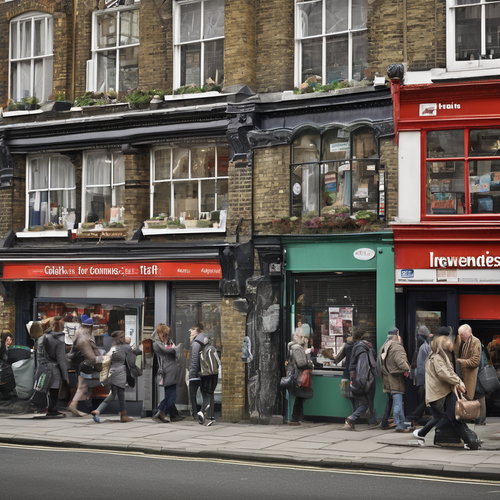

London Became a Global Hub for Phone Theft. Now We Know Why. 📱✨
In the bustling streets of London, a curious phenomenon has emerged: the city has become a nexus for phone theft, attracting criminal enterprises like moths to a flame. With the allure of sleek devices shimmering in the hands of Londoners, one can’t help but wonder, why has this historic city transformed into a haven for thieves? The answer, as layered as the city itself, reveals a tapestry of socio-economic disparities, technological advancements, and the striking contrasts of urban life. 🚦🏙️
The Glint of Opportunity: Understanding the Boom
At first glance, the statistics are disheartening. According to recent reports, London has witnessed a staggering 40% increase in smartphone thefts over the past few years. Each stolen device represents more than just a loss of property; it embodies the merging of desperation and temptation. As one victim recounted, *“It felt like losing a part of myself—a window to my life snatched away.”* Indeed, each device tells a story, often tragically intercepted by opportunistic hands.
Ironically, the very innovations that revolutionize the connectivity of our lives also pave the way for a thriving black market. Advanced smartphones, akin to magic portals, contain personal data of incalculable value. The sheer thrill of possessing the latest gadget can be juxtaposed with the underlying despair of those who resort to theft as a means of survival.
Socio-Economic Disparities: A Broader Context
The sharp rise in phone thefts mirrors broader socio-economic disparities that plague the city. While some zip around in electric cars, others navigate the same streets with an eye on survival, catching glimpses of unattainable luxury. Here lies the striking antithesis—the wealth of the few starkly contrasts with the struggles of the many. In a city that boasts a high cost of living and soaring property prices, one can hardly be surprised that crime finds fertile ground.
Organizations like London’s Metropolitan Police have voiced concerns, yet their resources are often stretched thinner than a London fog—while awareness campaigns flourish, the realities of street-level policing paint a different picture. The paradox of needing more boots on the ground against a backdrop of budget constraints leaves communities vulnerable, inciting an ironic twist where the lack of police presence inadvertently encourages criminal activity. 🚓
Technology: A Double-Edged Sword
Irony further deepens when we consider how technology, the very entity that fuels the demand for smartphones, also becomes its own worst enemy. Innovations such as facial recognition and remote wipe features exist to enhance security but often lag behind the nimbleness of criminal minds. Thieves have also adapted, employing technology that enables them to bypass security measures with alarming ease. Each stolen phone becomes not just a commodity but a testament to the futility of attempting to stay a step ahead.
Community Impact: Growing Frustration and Fear
The escalating thefts have left an indelible mark on Londoners, fostering a culture of caution tinged with fear. Commuters clutch their phones as though they hold fragile secrets, dodging eye contact with strangers. This dramatic shift in behavior poses a fundamental question: how does a community address such palpable anxiety? The heavy air pulses with an unmistakable irony—citizens modifying their own lives in response to the very technology they can’t live without.
Working Toward Solutions: Community and Enforcement
In response to this crisis, various community initiatives are emerging, with residents banding together to protect one another. Phone-tracking apps are being advocated, and what seemed like a simple tool for convenience transforms into a lifeline. A striking similarity galore—just as nature adapts and evolves to adapt to shifting climates, so too must society adjust to its ever-evolving realities.
Innovative policing strategies are also being explored. Imagine a city where data analytics map crime hotspots, akin to predicting the shift of the tides, allowing law enforcement to allocate resources more strategically. The community’s voice strengthens these initiatives, providing insights to create a unified front against theft. 🌍
Ultimately, It’s More Than Phones
As we untangle this complex web of theft, it becomes clear that the implications extend beyond mere smartphones. Each theft is a symbolic act against societal values, challenging us to address the inherent inequalities that fuel such behaviors. London’s predicament serves as both a cautionary tale and a call to action—navigating the delicate balance between the allure of technology and the pressing need for community safety.
When the theft of a phone spirals into a narrative about social justice and economic disparity, only then can we begin to envision a future where the streets of London feel less like a lawless frontier and more like an inclusive community. As for the thieves stalking the shadows with quick fingers, who knows? They too are shaped by the same city that sits divided, eternally caught between aspiration and desperation. 🌆


